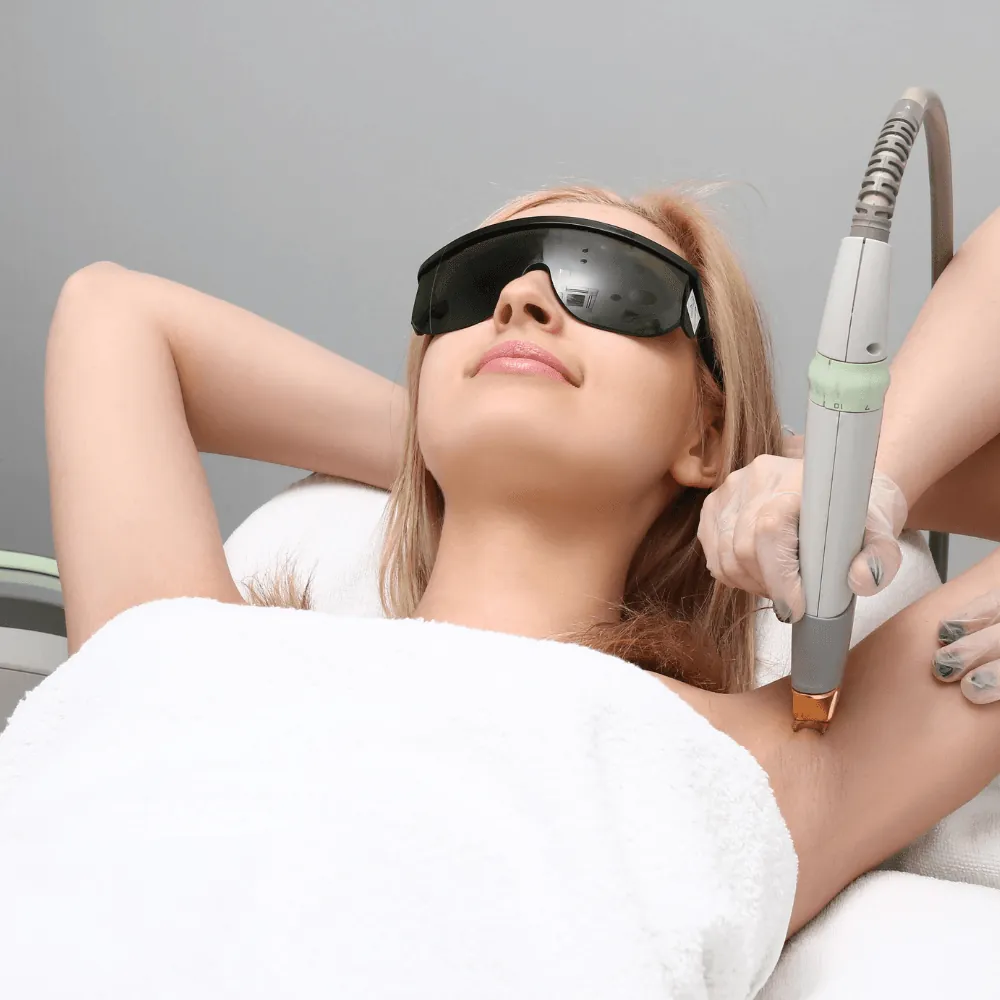
Laser hair removal for darker skin tones — what actually works
If you've been told laser isn't safe for South Asian, Middle Eastern or African skin, here's what's changed — and what to ask before you book.
If you have darker skin — Fitzpatrick IV, V, or VI — you’ve probably been told one of two things at some point:
- “Laser isn’t safe for your skin tone.”
- “You’ll get burned or hyperpigmented.”
Both used to be true. Neither is true now — if (and only if) the clinic uses the right device and adjusts settings properly for your skin.
The science in plain English
Old laser systems (alexandrite, ruby) target melanin in the hair follicle. The problem: darker skin has more melanin everywhere — including the surrounding skin. So the laser couldn’t tell hair from skin, and burns happened.
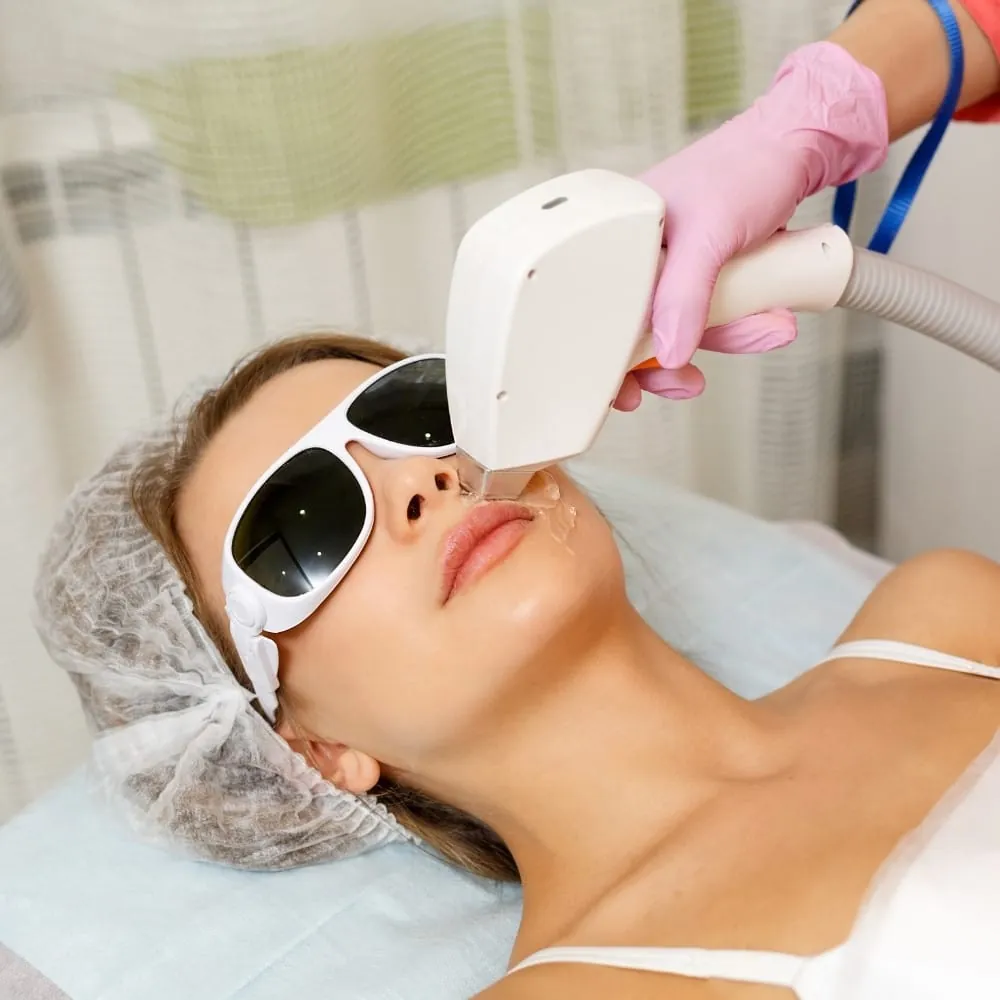
Diode lasers like the Soprano Ice (what we use at Silkentouch) operate at a different wavelength (around 810nm) that penetrates deeper and bypasses surface melanin. Combined with continuous cooling and gradual heating (“SHR mode”), the surrounding skin stays safe even on Fitzpatrick V and VI.
What to ask before you book — anywhere
If you’re going to any clinic for laser hair removal and you have darker skin, these three questions matter:
- “What device do you use?” Diode (Soprano, LightSheer) or Nd:YAG. Avoid alexandrite for darker tones.
- “How do you adjust settings for my skin?” The honest answer is “lower fluence, slower passes, continuous cooling.” If they can’t explain how settings change per skin type, that’s a red flag.
- “Can I see results photos from clients with similar skin?” Generic before/afters don’t count — ask for someone close to your tone.
What 6 sessions actually looks like
At Silkentouch, most of our clients are women of South Asian, Middle Eastern or African background. A typical course:
- Sessions 1–2: shedding starts 2–3 weeks after each session. Most clients notice 20–30% reduction by session 2.
- Sessions 3–4: hair grows back finer and sparser. Some areas may need touch-ups by session 5.
- Sessions 5–6: most clients reach 80–90% permanent reduction. Hormonal areas (face, bikini) may need a light maintenance once or twice a year.
The free bonus nobody mentions
Years of shaving creates friction. Friction creates inflammation. Inflammation creates the dark patches on underarms, inner thighs and bikini line that no amount of niacinamide or whitening cream fixes.
When laser stops the hair growth cycle, it stops the shaving. When shaving stops, the friction stops. The skin slowly normalises — typically over the same 6 sessions. Most of our South Asian clients see noticeable lightening of underarm and inner-thigh hyperpigmentation by session 4 or 5.
That improvement isn’t a feature we sold them. It’s a side effect of doing the actual treatment correctly.
Booking honestly
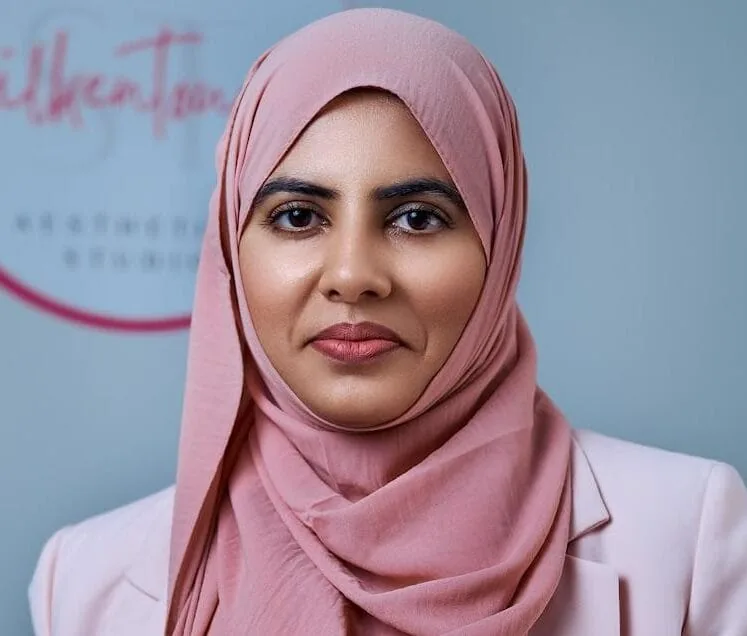
If you’re not sure whether your skin tone is compatible with our laser, book a free 15-minute consult first. Maimoona will assess your skin in person (lighting matters), confirm suitability, and either book you in or recommend a different treatment.
We turn away clients when the protocol won’t deliver. That’s the only honest way to operate.
— Maimoona Silkentouch Aesthetics · Cambridge, ON